Every workplace has difficult conversations.
A manager needs to address poor performance. A colleague needs to challenge a decision. Someone needs to give feedback that might be uncomfortable to hear.
The problem isn’t that these conversations happen. It’s what happens when people don’t feel equipped to handle them.
When difficult conversations are avoided or mishandled, frustration builds, relationships suffer and small problems can become much bigger ones.
So, how do you know when your team needs Crucial Conversations training?
Here are five signs to look out for.
1. Difficult conversations keep getting avoided
You may have noticed managers putting off conversations they know they need to have.
A performance issue isn’t addressed. A behaviour problem is brushed aside. A concern goes unspoken because nobody wants to create tension.
Avoiding the conversation might feel easier in the short term, but it rarely solves the underlying problem.
Teams need the confidence to address issues early, before they have a chance to escalate.
2. Feedback regularly leads to defensiveness
Feedback should help people improve. But if giving feedback often results in defensiveness, silence or an argument, something isn’t working.
This can happen when people aren’t confident about how to deliver difficult feedback or when the person receiving it doesn’t know how to respond constructively.
Crucial Conversations training can help employees practise both sides of the conversation — communicating clearly while remaining open to another person’s perspective.
3. People disagree privately rather than openly
Here’s a familiar situation.
Everyone agrees with a decision during the meeting. Then, once the meeting is over, people start raising concerns.
If this happens regularly, your team may not feel comfortable challenging ideas in the moment.
Healthy teams don’t need to agree on everything. They need to be able to disagree without making disagreement personal.
That means giving people the skills to question, challenge and offer a different perspective while keeping the conversation productive.
4. Small issues keep turning into big ones
A missed deadline. A misunderstanding between colleagues. A recurring communication problem.
On their own, these issues may seem minor. But when nobody addresses them, they can build into frustration and resentment. By the time someone finally raises the issue, the conversation carries weeks or months of accumulated tension.
Learning how to have these conversations earlier can stop problems from becoming bigger than they need to be.
5. Your team knows the theory but struggles in real situations
This is one of the biggest signs.
Your employees may have attended communication training. They may understand active listening, feedback techniques and conflict-resolution frameworks.
But when a real conversation becomes uncomfortable, those skills disappear.
Why? Because knowing what to do isn’t the same as being able to do it under pressure. People need opportunities to practise.
Is it time to practise the conversations that matter?
If your team is avoiding difficult conversations, struggling with feedback or finding it hard to challenge each other constructively, Crucial Conversations training could make a real difference.
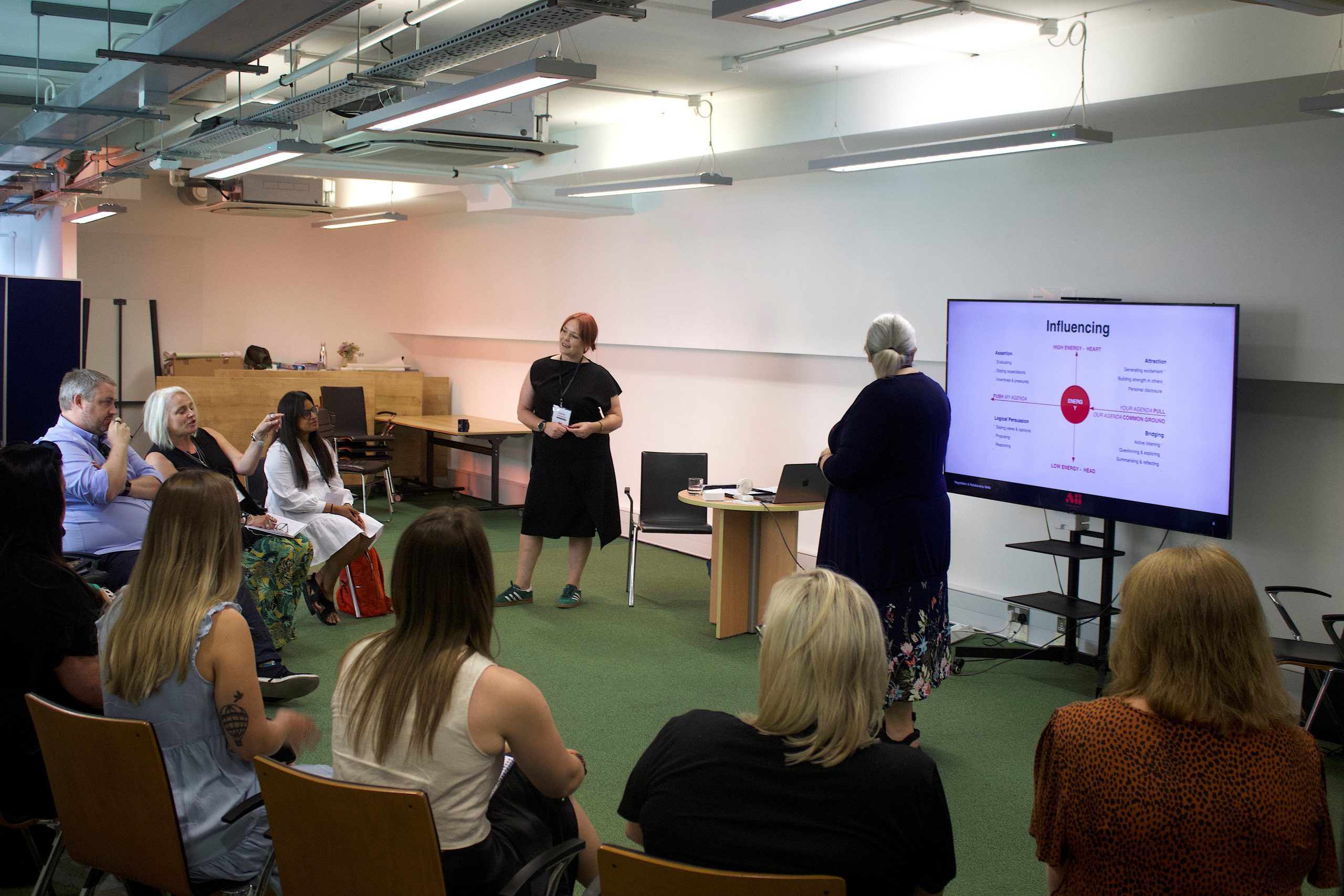
At Actors in Industry, we use experiential training and realistic role play to help people practise the communication challenges they face in the workplace.
Get in touch to explore our experiential training solutions and find out how we can help your team handle crucial conversations with greater confidence.