
Collaboration is one of those skills every organisation says it values. It’s mentioned in leadership meetings, written into company values and highlighted in performance reviews.
Yet building collaborative teams isn’t as straightforward as telling people to “work better together.”
Real collaboration is a skill. It requires people to communicate effectively, adapt to different personalities, solve problems collectively and know when to lead and when to step back. Like any skill, it improves through practice.
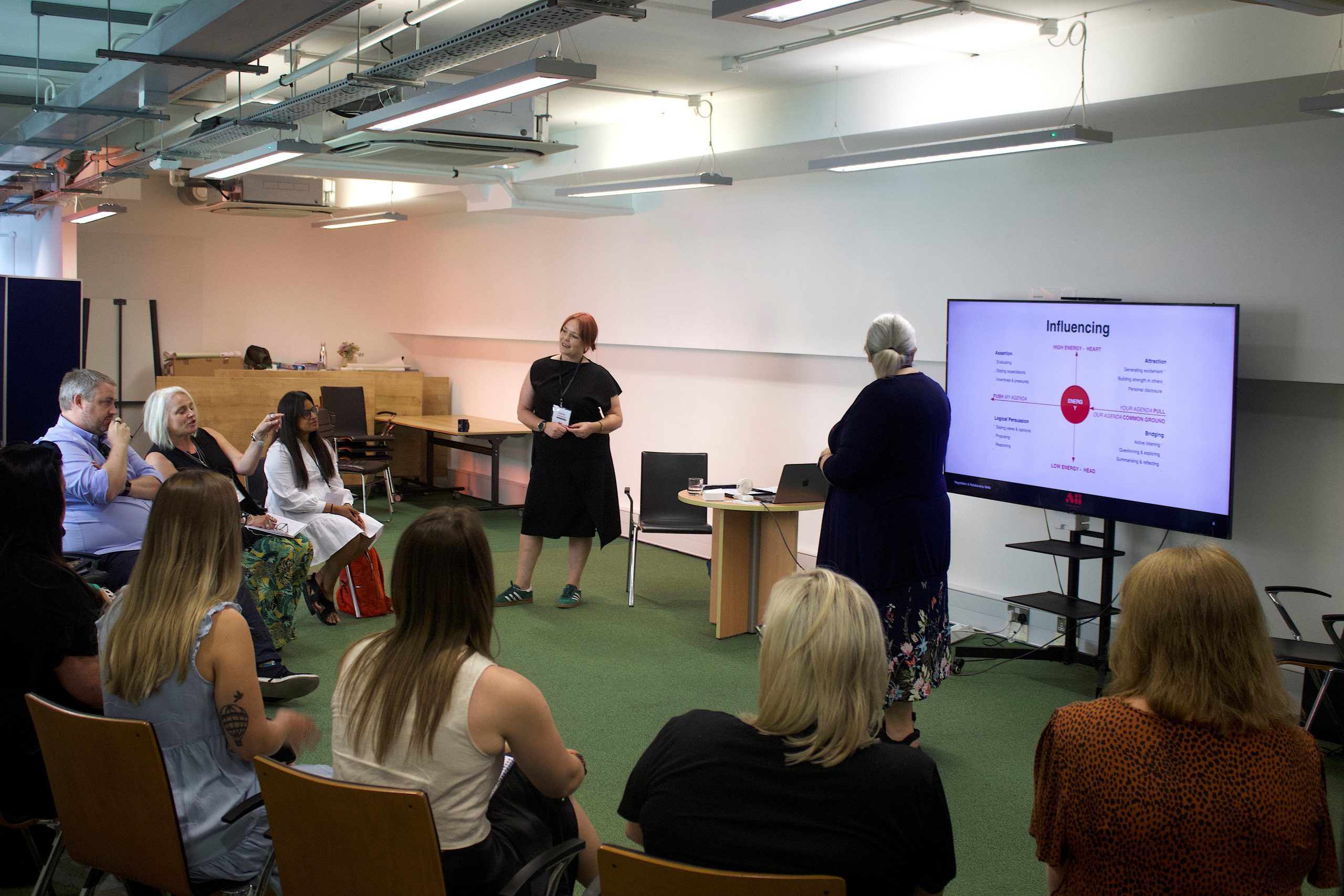
That’s why our Collaborative Working Workshop is designed to be practical from start to finish. Rather than relying on presentations and theory alone, participants are encouraged to experience collaboration in action through realistic workplace scenarios, discussions and interactive exercises.
Recently, we asked one of the managers who attended the workshop to reflect on their experience. Their feedback offered an interesting insight into what makes learning truly stick.

Collaboration Starts With Self-Awareness
When asked about their biggest takeaway from the workshop, the manager’s response wasn’t a new framework or communication model.
Instead, they said their biggest learning was adapting their role in meetings.
It’s a simple observation, but one that many teams overlook.
In collaborative environments, success isn’t determined by who contributes the most or who speaks the loudest. Sometimes the most valuable contribution is asking the right question. Sometimes it’s encouraging quieter voices to contribute. And sometimes it’s simply listening.
Understanding how to adapt your role depending on the situation is one of the foundations of effective teamwork, and it’s a skill that develops through experience rather than instruction.
The Most Valuable Learning Happened Away From the Slides
We also asked what part of the workshop had the greatest impact.
The answer was immediate.
The breakout sessions.
Why?
Because they gave participants the opportunity to move beyond theory and put ideas into practice.
Working through realistic scenarios with colleagues encouraged discussion, challenged assumptions and exposed different ways of approaching the same problem. It transformed learning from something people listened to into something they actively experienced.
This is exactly why experiential learning is so powerful. People are far more likely to remember what they’ve done than what they’ve simply heard.
Feedback That Told Us We Were on the Right Track
Constructive feedback is one of the most valuable parts of any workshop, so we always ask participants how we can improve.
This manager’s suggestion was refreshingly straightforward:
“Longer time for the breakout rooms.”
We’ll gladly take that feedback.
When participants ask for more time to practise rather than less, it suggests they’re engaged, comfortable contributing and finding genuine value in the experience.
For us, that’s a positive sign that the learning environment is doing exactly what it should—creating space for meaningful conversations and practical development.
Learning Is a Journey, Not a One-Off Event
One of our final questions asked what topic participants would most like to explore next.
The answer?
Having difficult conversations.
It’s a natural next step.
Whether it’s addressing poor performance, giving constructive feedback or managing conflict, these are conversations that every manager will face. Yet they’re also some of the least practised skills in the workplace.
Developing confidence in these situations doesn’t come from reading about them. It comes from experiencing realistic scenarios, receiving expert coaching and having the opportunity to reflect before facing similar situations at work.
More Than Positive Feedback
The manager rated both the workshop and the trainer 5 out of 5 and said they would happily recommend the experience to a colleague.
Of course, we’re always pleased to receive positive feedback.
But what matters most to us isn’t the rating itself.
It’s hearing that someone has left the workshop with a practical insight they can apply immediately, a fresh perspective on how they work with others and the motivation to continue developing their skills.
That’s what successful learning should achieve.
Looking to Strengthen Collaboration Across Your Teams?
If you’re looking for learning experiences that go beyond theory and help managers build practical, lasting workplace skills, we’d love to help.
Our Collaborative Working Workshop gives people the opportunity to practise, reflect and grow in a safe, supportive environment, so they leave ready to make a difference in the workplace.
Get in touch with the Actors in Industry team to find out how our workshops can support your organisation.