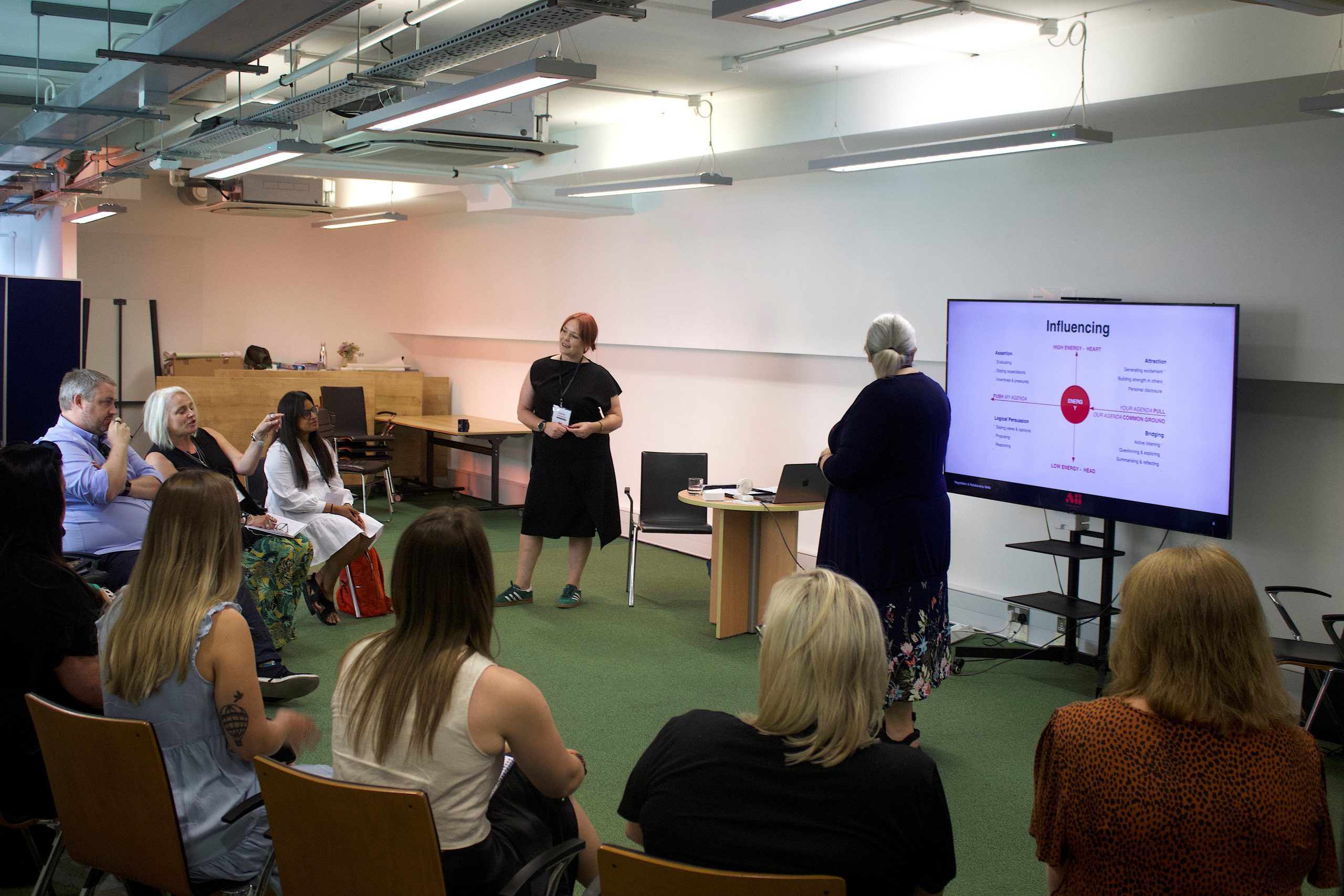

Leadership isn’t built in a classroom. It’s built in real moments, when decisions carry weight, conversations feel uncomfortable, and outcomes matter.
That’s exactly where experiential learning makes the difference.
In today’s fast moving business environment, organisations don’t just need knowledgeable leaders. They need leaders who can perform. And performance doesn’t come from theory alone, it comes from experience.
What Is Experiential Learning?
Experiential learning is the process of learning through doing. Instead of passively absorbing information, individuals are placed in realistic situations where they must think, respond, and act in real time.
It shifts learning from something abstract into something tangible. Rather than simply understanding leadership concepts, individuals begin to experience what leadership actually feels like in practice.
This is what makes it powerful. It engages not just logic, but behaviour, emotion, and instinct.
Why Traditional Training Isn’t Enough
Traditional leadership training often focuses on frameworks, models, and case studies. While these provide useful insights, they rarely prepare leaders for the unpredictability of real life situations.
The gap isn’t in knowledge, it’s in application.
A leader may know how to handle a difficult conversation in theory, but when faced with it in reality, hesitation and uncertainty often take over. Experiential learning closes that gap by allowing leaders to practise in environments that mirror real challenges.
It moves learning from understanding to execution.
How Experiential Learning Builds High Performance Leaders
High performance leaders stand out not because they know more, but because they respond better. They communicate clearly, stay composed under pressure, and adapt quickly to changing situations.
Experiential learning develops these qualities in a way traditional methods cannot.
When leaders are placed in realistic scenarios, they begin to build genuine confidence. This confidence is not based on theory, but on lived experience. They’ve navigated similar situations before, made decisions, and learned from the outcomes.
Communication also improves significantly. In experiential settings, leaders are required to engage in real time conversations, read reactions, and adjust their approach. This sharpens their ability to connect, influence, and lead effectively.
Another critical area is emotional intelligence. Leadership is deeply human, and experiential learning helps individuals understand the impact of their words, tone, and behaviour on others. Over time, this builds awareness, empathy, and adaptability.
Perhaps most importantly, it prepares leaders for pressure. Business environments are rarely predictable. Experiential learning introduces uncertainty, forcing leaders to think on their feet and make decisions without perfect information. This builds resilience, one of the defining traits of high performance leadership.
The Role of Actors in Industry
One of the most impactful ways to deliver experiential learning is through the use of professional actors.
Actors bring realism into training environments in a way that traditional methods simply cannot. They create believable scenarios, whether it’s a challenging client interaction, an internal conflict, or a high stakes presentation.
This allows leaders to step into situations that feel real, without the risk of real world consequences.
What makes this approach so effective is the level of immersion. Leaders aren’t just observing or discussing, they are actively participating. They can test different approaches, receive immediate feedback, and refine their behaviour in the moment.
It transforms learning into an experience that stays with them.
From Knowledge to Behavioural Change
The real goal of leadership development is not knowledge accumulation, it’s behavioural change.
Experiential learning accelerates this transformation by creating moments that are memorable and impactful. When individuals experience something first hand, they are far more likely to reflect on it, internalise it, and apply it in real situations.
Over time, this leads to lasting change, not just in how leaders think, but in how they act.
Why Experiential Learning Matters More Than Ever
As businesses face increasing complexity and change, the demand for adaptable, confident leaders continues to grow.
Experiential learning meets this need by developing leaders who can respond effectively in dynamic environments. It strengthens communication, builds resilience, and enhances decision making, all of which directly impact business performance.
It’s not just a training method. It’s a strategic investment in leadership capability.
Ready to Build High Performance Leaders?
If you’re looking to develop leaders who don’t just understand, but can truly perform, experiential learning is the way forward.
Reach out to us to explore how our tailored communication and experiential training solutions can support your organisation’s growth. We look forward to welcoming you soon.
Frequently Asked Questions
1. What is experiential learning in leadership development?
Experiential learning in leadership development involves learning through real or simulated experiences rather than theory alone. It focuses on practising leadership skills in realistic scenarios to build confidence and capability.
2. How does experiential learning improve leadership performance?
It improves performance by allowing leaders to apply knowledge in real time situations, develop communication skills, and build the confidence needed to handle pressure effectively.
3. Why are actors used in experiential learning?
Actors create realistic, high pressure scenarios that mirror real workplace challenges. This helps leaders practise and refine their responses in a safe but immersive environment.
4. Is experiential learning suitable for all levels of leadership?
Yes, it can be tailored for emerging leaders, mid level managers, and senior executives. The scenarios and complexity can be adapted based on experience and role.
5. How quickly can organisations see results from experiential learning?
Many organisations notice immediate improvements in confidence and communication. Long term impact comes from continued practice and reinforcement, leading to sustained behavioural change.